
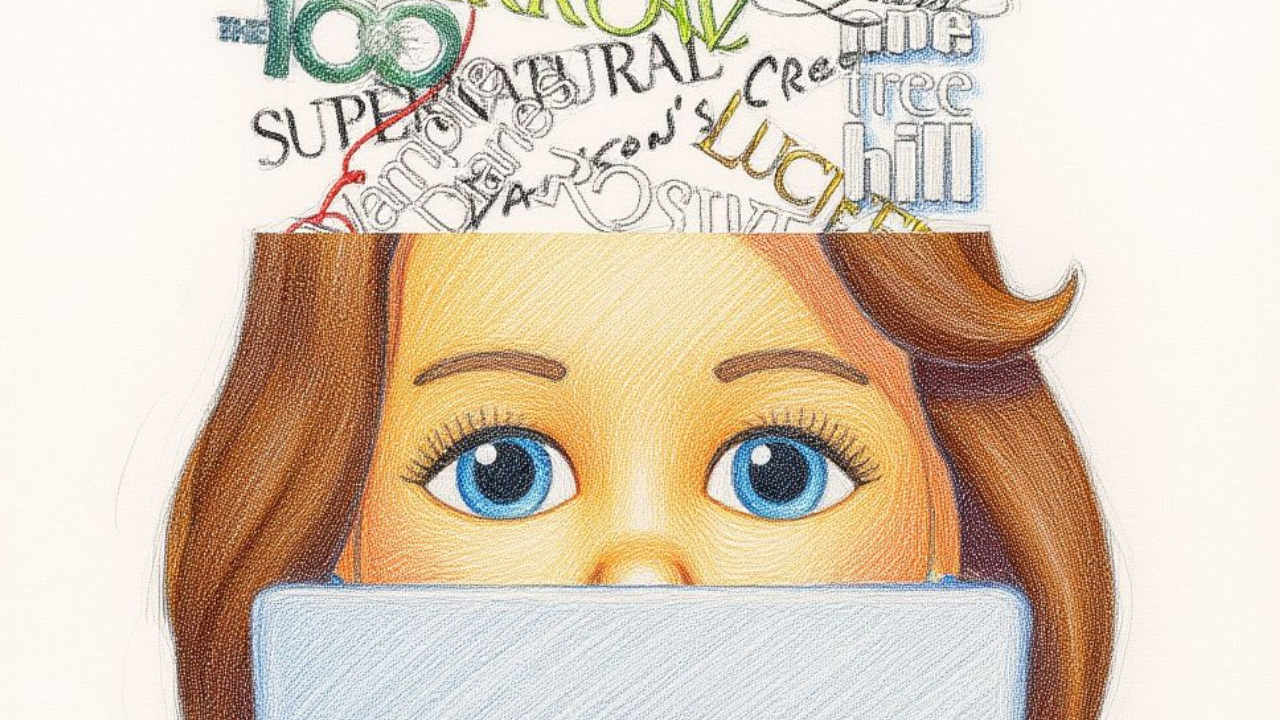
In the ever-evolving world of entertainment, a new trend is taking the spotlight: vertical shorts. These mini-movies, often packed into bite-sized episodes, are captivating audiences across various platforms. Join us as we delve into the world of vertical shorts, exploring their popularity, unique storytelling, and the challenges they present to viewers and creators alike.
Understanding Vertical Shorts: Vertical shorts are a fresh format in the digital entertainment landscape, designed to fit the vertical viewing style of smartphones. These episodes typically range from one to two minutes each and can span multiple episodes, sometimes extending to as many as 100. With platforms like Real Short, Drama Box, and Good Short leading the charge, the appeal of these quick narratives is undeniable. Meg, the host of TV Inside My Head, has become particularly fond of these quick bursts of storytelling, noting how they have infiltrated social media feeds, especially on TikTok and Instagram.
Monetization and Accessibility: One of the notable aspects of vertical shorts is their monetization strategy. Most platforms require viewers to purchase memberships or coins to unlock episodes after a limited number of free views. For instance, Candy Jar charges around 50 coins per episode, while My Drama sets the price at 99 coins. This model can lead to frustration among viewers who find themselves addicted to the content but constrained by paywalls. Despite the annoyance, many fans like Meg find value in subscribing to platforms that offer a month-long membership for access to multiple episodes, enhancing their viewing experience.
Quality and Production Value: The production quality of vertical shorts varies significantly. Some platforms, like Real Short and My Drama, are praised for their better acting and engaging storylines, likely due to higher budgets and experienced actors. Meg emphasizes how certain actors become more comfortable and natural in their roles over time, leading to improved performances. However, not all vertical shorts hit the mark. Viewers often find themselves watching episodes that lack depth or compelling narratives, yet the addictive nature of these formats keeps them coming back for more.
Recurring Themes and Plot Devices: One striking characteristic of vertical shorts is the recycling of similar themes and storylines across different platforms. For example, Meg discusses two shows with eerily similar plots: “Obsessed with My Silent Bride” and “17 Heartbreaks.” Both revolve around a mute bride mistreated by her husband, highlighting how different interpretations of a core storyline can emerge. This trend isn’t confined to just one narrative; it extends to various genres, including romance, drama, and even fantasy. Whether it’s a contract marriage leading to love or the classic tale of star-crossed lovers, viewers often find themselves immersed in familiar yet refreshing narratives.
The Addictive Nature of Vertical Shorts: Despite their predictability, vertical shorts maintain a strong hold on audiences. Meg describes moments of disbelief when witnessing absurd plot twists, yet she continues to watch, captivated by the drama. This phenomenon mirrors the experience of soap operas, where similar plotlines are recycled but still manage to engage viewers. It’s this blend of familiarity and novelty that keeps fans glued to their screens, eager to see how these stories unfold.
Vertical shorts represent a burgeoning trend in the entertainment industry, offering quick, engaging content that resonates with today’s fast-paced lifestyle. While they may not always deliver Oscar-worthy performances, their charm lies in their ability to entertain and provide a quick escape. As the production quality improves and more platforms emerge, vertical shorts are set to become a significant player in the digital landscape. Key takeaways include the importance of monetization strategies, the varying quality of content, and the repetitive nature of storytelling that, paradoxically, adds to their appeal.